Technocratic Abyss
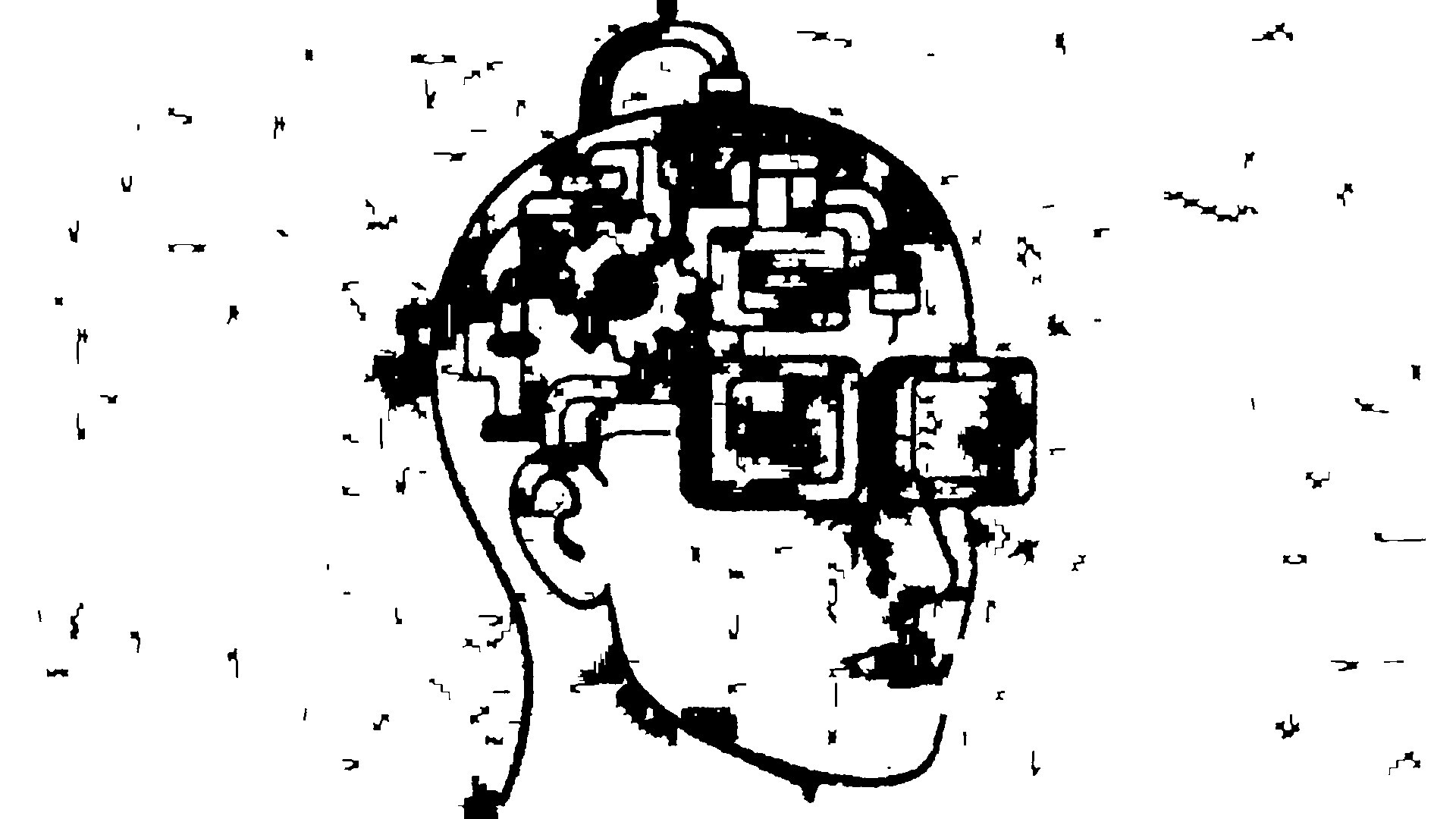
As the close of 2025 draws near, time itself seems to tremble at the threshold of another year steeped in dystopian uncertainty. The world advances, yet it feels as though we are moving through a fog that thickens rather than clears. Art and philosophy those ancient lanterns of human meaning now flicker timidly behind the towering edifice of technocracy. What once questioned the world now seems overshadowed by systems that claim to know it in advance.
The self is no longer a place of inner depth but a surface illuminated by screens. Identity dissolves into luminous fragments, curated, filtered, perfected into a fiction palatable to our own anxieties. Our friendships, too, become spectral: images shaped by algorithms, gestures smoothed by beauty filters, emotions compressed into icons. A subtle but potent illusion of freedom prevails a freedom without weight, without consequence, a freedom that exists only because it touches nothing real.
Yet beneath these layers of abstraction, we remain what we have always been: animals. And perhaps the most paradoxical, the most catastrophically gifted animals ever to inhabit the Earth. No other species has been granted the ability to dream in symbols while simultaneously eroding the ground beneath its own feet. No other creature builds civilizations grand enough to eclipse the stars and yet threatens the very planet that sustains its breath.
This is the riddle of humanity: a being capable of reflection yet often blind to its own shadow; capable of transcendence yet tethered to instincts it does not fully understand. As we move into another year, the question grows heavier: are we approaching a moment of awakening, or merely drifting deeper into our own illusion? The answer, perhaps, rests in whether we dare to look beyond the glow of our screens and listen again to the quiet, ancient voice that reminds us of what it means to be human.